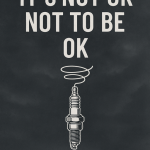
Think of your mind like a car engine, stay with me: You’re cruising, but then something feels off, and it’s not existential dread brought on by a depressing tune on the radio. Maybe the spark plug lead pops off, you’ve seen it before. You pull over, pop the hood, fix it, and keep moving. You know what to do because you’ve been there.
But what if it’s your first time? You might freeze. You panic. You don’t know what’s going on under the hood, and that’s okay too. For a minute, you consider Googling “disturbing noises and car loses half of its power.” But you don’t. That’s when you call someone. You get help. Because trying to muscle through alone can do more damage.
Recovery isn’t just cozy therapy rooms and tidy quotes like “every cloud has a silver lining.” That’s not always real life. Recovery continues after the session, out in the messy, unpredictable world. That’s where it’s hardest, and most important, to check in with yourself and ask: Am I really okay, or am I just coasting on fumes?
Takeaway Call to Action
Stop and Check In
When something feels off, mentally, emotionally, pause. Don’t ignore it. You wouldn’t drive with a busted engine, so don’t do it with yourself.
Ask for Help Early
If you don’t know how to fix what’s going on, that’s not weakness, it’s wisdom. Ask someone who knows. You’re not expected to have all the tools.
Understand Recovery is Ongoing
Therapy is a start, not the full journey. What you do outside those safe spaces is what shapes your healing. Stay honest with yourself.
Use Better Language
“I’m not okay” is a signal, not a destination. Kill the clichés. Say what’s real. Let’s build words that actually move us forward.
You don’t have to pretend you’re fine. But you do owe it to yourself to aim for better, whatever “better” means today.
Matt
Discover more from MATTLR.COM
Subscribe to get the latest posts sent to your email.